November 9, 2026
Grading variations, unstable topography, and severe precipitation patterns present perpetual challenges to structural foundations and residential grounds. Without strategic mechanical intervention, gravitational forces steadily pull loose topsoil downward, stripping properties of essential nutrients and threatening surface stability. Installing engineered earth-retention barriers allows architects and civil planners to counteract these destructive forces by terracing sheer inclines, controlling storm runoff, and establishing resilient outdoor elevations. Far from serving as mere visual boundaries, these heavy-duty structural installations stabilize volatile ground conditions, safeguard residential architecture, and convert inaccessible property slopes into enduring, highly functional terrain.
The durability of any exterior build depends directly on selecting structural systems engineered to withstand continuous lateral subterranean pressure. According to This Old House, a four-foot-high, 15-foot-long retaining wall can hold back as much as 20 tons of saturated soil. Failing to account for such immense mechanical forces invites systemic structural collapse, destructive mudslides, and severe foundation displacement. Understanding how specialized barrier systems interact with soil mechanics, subsurface hydrological movements, and localized ground biology ensures that landowners make durable property investments.
Analyzing the Fundamental Engineering Mechanics
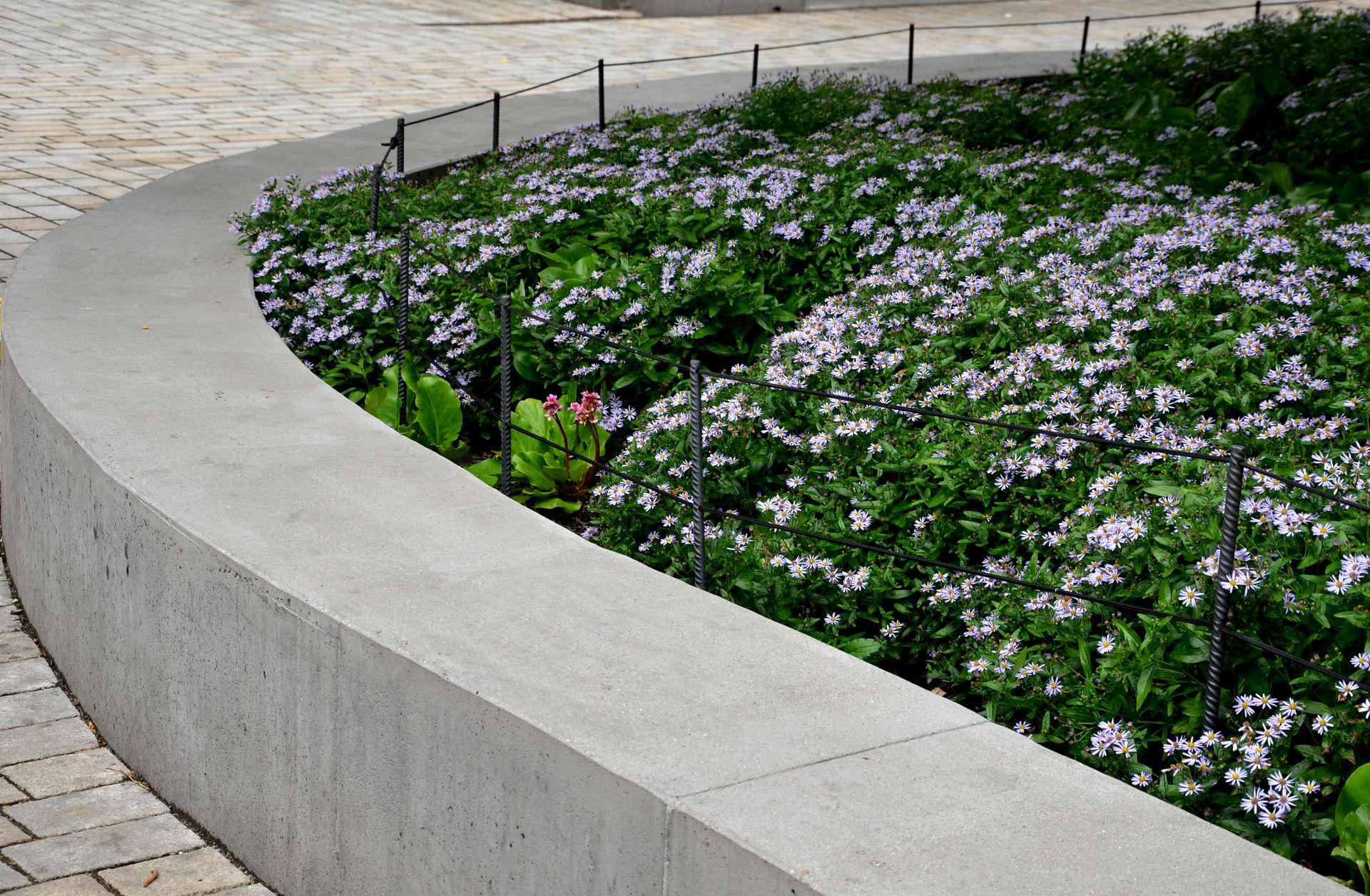
Every structural retaining barrier functions as a physical bulkhead designed to counteract the continuous lateral earth pressures exerted by retained earth. Gravity-based structures resist overturning through sheer mass, while cantilevered assemblies utilize internal steel reinforcement and wide base footings to leverage the downward weight of backfill against shifting slopes. In high-load environments, heavy-duty concrete retaining walls deliver the compressive strength, structural rigidity, and material mass necessary to secure severe inclines permanently.
In addition to calculating mechanical mass, successful structural planning requires an uncompromising commitment to integrated sub-surface drainage networks. Saturated earth produces severe hydrostatic pressure, which acts as the leading cause of premature retaining structure collapse. Installing continuous perforated collector lines wrapped in permeable geotextile fabric behind the wall footing prevents hydraulic pooling and draws groundwater away from structural faces.
Protecting Topsoil and Mitigating Erosion
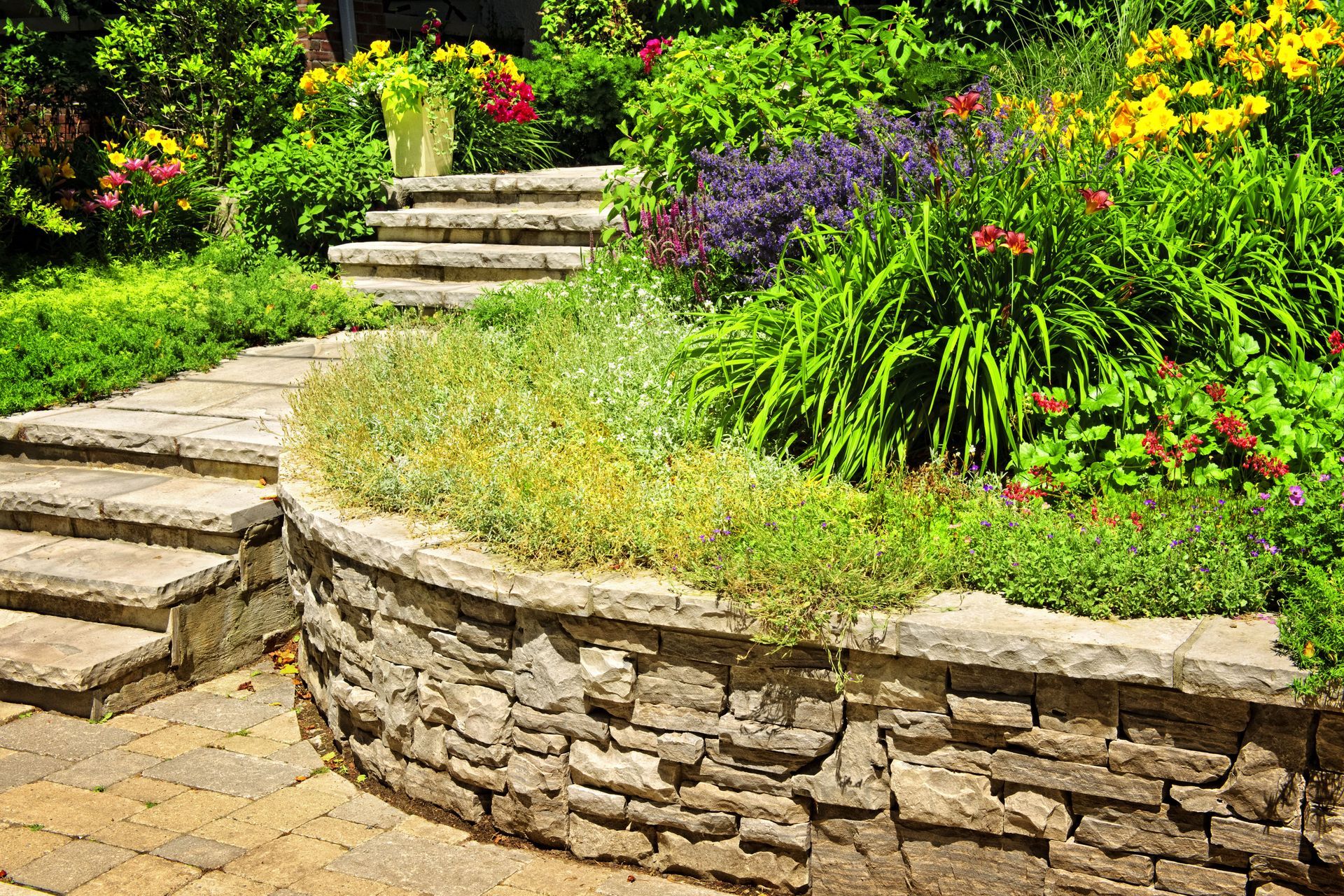
Unchecked precipitation cycles rapidly degrade unprotected slopes, washing away loose mineral topsoil and carving deep subterranean gullies across the property. When heavy downpours strike steep inclines, swift surface currents detach light organic matter, stripping away the fertile microbial crust essential for supporting robust plant and root growth. Installing layered terraces backed by reinforced concrete retaining walls effectively fragments tall, hazardous inclines into manageable horizontal tiers.
Beyond preserving nutrient-dense surface loam, terraced soil retention preserves delicate subterranean ecosystems and stabilizes fragile local root systems. The segmented terraces establish stable horizontal planting beds that foster deep, permanent vegetative root systems, which naturally weave through the soil particles to form an interconnected living matrix of structural reinforcement. Furthermore, capturing vulnerable sediment on site shields nearby storm conduits, municipal sewers, and regional natural watercourses from destructive siltation.
Improving Hydrology and Subsurface Water Management
Strategic land retention structures function as powerful drainage regulators that actively reshape local ground hydrology and mitigate flood risks. Unmanaged rainwater runoff on unstratified grades inevitably pools around residential foundations, saturating subterranean footings and entering basements through minute structural fissures. By sculpting the natural flow paths of surface water through engineered grades and swales, concrete retaining walls redirect dangerous storm torrents away from sensitive architectural assets.
Properly executed drainage design also contributes directly to natural aquifer replenishment and equitable subsurface moisture distribution. Permeable aggregate channels installed behind retaining tiers act as subterranean filtering beds, cleansing storm runoff of heavy sediment as it slowly descends toward deep regional water tables. This controlled, subterranean moisture retention preserves deep underground soil hydration without allowing saturated earth to trigger severe hydrostatic upheaval.
Expanding Usable Land and Commercial Value
Steep, rugged terrain severely restricts the functional enjoyment of outdoor spaces, rendering large portions of a residential or commercial parcel inaccessible and difficult to maintain. By excavating vertical embankments and installing engineered concrete retaining walls, developers reclaim previously unusable slopes and convert them into expansive, level outdoor expanses. These reclaimed horizontal planes provide prime real estate for custom entertainment patios, spacious outdoor dining pavilions, deep swimming pools, and leveled athletic lawns.
Reclaiming hillside ground and establishing permanent structural stability yields substantial financial returns in both residential and commercial real estate markets. Prospective buyers consistently place high monetary premiums on move-in-ready properties featuring level outdoor amenities, established slope stabilization, and verified structural integrity. Knowing that the property features professionally engineered earth barriers alleviates buyer concerns regarding dangerous mudslides, foundation shifting, and costly municipal code violations.
Navigating Modern Design and Technical Innovations
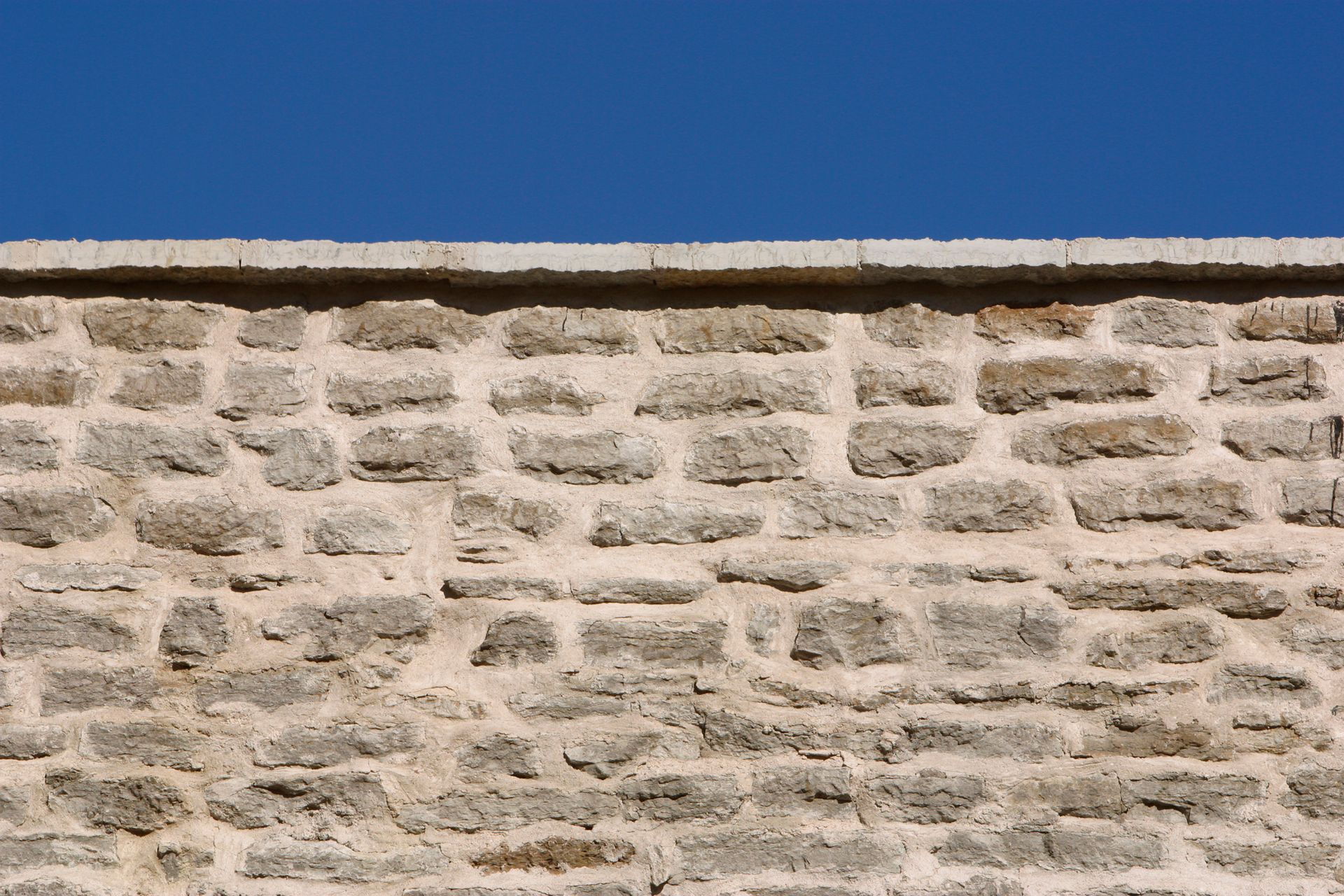
Modern landscape engineering has moved far beyond utilitarian gray slabs, embracing sophisticated material textures and advanced manufacturing techniques that elevate visual architecture. Contemporary concrete retaining walls can be cast using textured architectural form liners that replicate the classic appearance of hand-chiseled ashlar slate, rustic granite, or clean limestone. Utilizing precast modular units ensures tight manufacturing tolerances, high compressive ratings, and uniform interlocking tongues that accelerate job-site installation timelines.
The integration of intelligent sensory hardware and multifunctional construction features represents another major advance in modern retaining architecture. Advanced structural sensors embedded directly within critical retention tiers can monitor minute mechanical shifts, internal moisture accumulation, and shifting hydrostatic forces in real time. Furthermore, contemporary designs regularly incorporate built-in ambient under-cap lighting channels, integrated bench seating, and terraced masonry planters directly into the structural layout.
Managing Site Assessment and Structural Construction
Executing an earth-retention project successfully begins with a comprehensive, rigorous geological analysis of the target property. Geotechnical engineers must extract core soil samples to evaluate soil bearing capacity, friction angles, and moisture absorption characteristics across all elevation profiles. Highly plastic cohesive clays, for example, expand dramatically when wet, necessitating significantly heavier structural base dimensions and expanded drainage gravel fields than loose, well-draining sandy loams.
Constructing durable concrete retaining walls requires meticulous adherence to strict engineering sequences, starting from the subterranean base trench to the top capstone. Excavation crews must prepare an unyielding, thoroughly compacted crushed stone leveling pad to prevent uneven post-installation settling, which can crack rigid assemblies. As consecutive masonry courses rise, technicians install high-tensile biaxial geogrid fabrics horizontally into the backfill soil mass, locking the wall facing to the compacted earth behind it.
Maximizing Structural Longevity and Proactive Care
Protecting the functional lifespan of high-capacity earth barriers requires proactive seasonal maintenance and vigilant physical monitoring. Property owners should conduct detailed visual walkthroughs following intense spring freezes and heavy autumn rainfall events, carefully checking for hairline surface fissures, loose capstones, or misaligned joints. Inspecting the surface of concrete retaining walls reveals subtle indicators of subsurface stress, such as mineral efflorescence, which signals that trapped moisture is evaporating through the porous masonry.
Ensuring that drainage weep holes and discharge pipes remain unobstructed forms another vital component of long-term structural preservation. Decaying leaves, loose silt, and burrowing insects frequently clog perforated collection outlets, causing hydrostatic fluid pressure to spike rapidly behind the wall face. Flushing subterranean pipes with low-pressure water hoses annually clears out stubborn sediment accumulations and restores optimal drainage flow rates.
When you are ready to stabilize your property's terrain, prevent costly soil displacement, and create stunning, functional outdoor elevations, partnering with experienced exterior structural specialists is essential. Seasoned professionals ensure that every foot of your barrier is engineered to the highest safety specifications, utilizing the finest materials and advanced drainage technologies to guarantee generational durability. For unmatched manufacturing precision, superior civil engineering expertise, and high-performance precast installations tailored to your property's distinct topographical demands, reach out to Standard Precast to schedule your comprehensive structural consultation today.