October 8, 2026
Managing residential or commercial property grounds often presents complex terrain challenges that require robust engineering solutions. Sloped yards, uneven soil distribution, and uncontrolled water flow can create severe landscape instability over time. When heavy rain falls on sloped land, unmanaged runoff strips away valuable topsoil, undermines plant root systems, and threatens surrounding architectural structures. Property owners dealing with shifting earth must implement durable barriers designed to resist lateral soil pressure and channel water safely away from outdoor living areas. Installing an engineered soil retention barrier creates structural stability while transforming steep hillsides into functional, usable spaces.
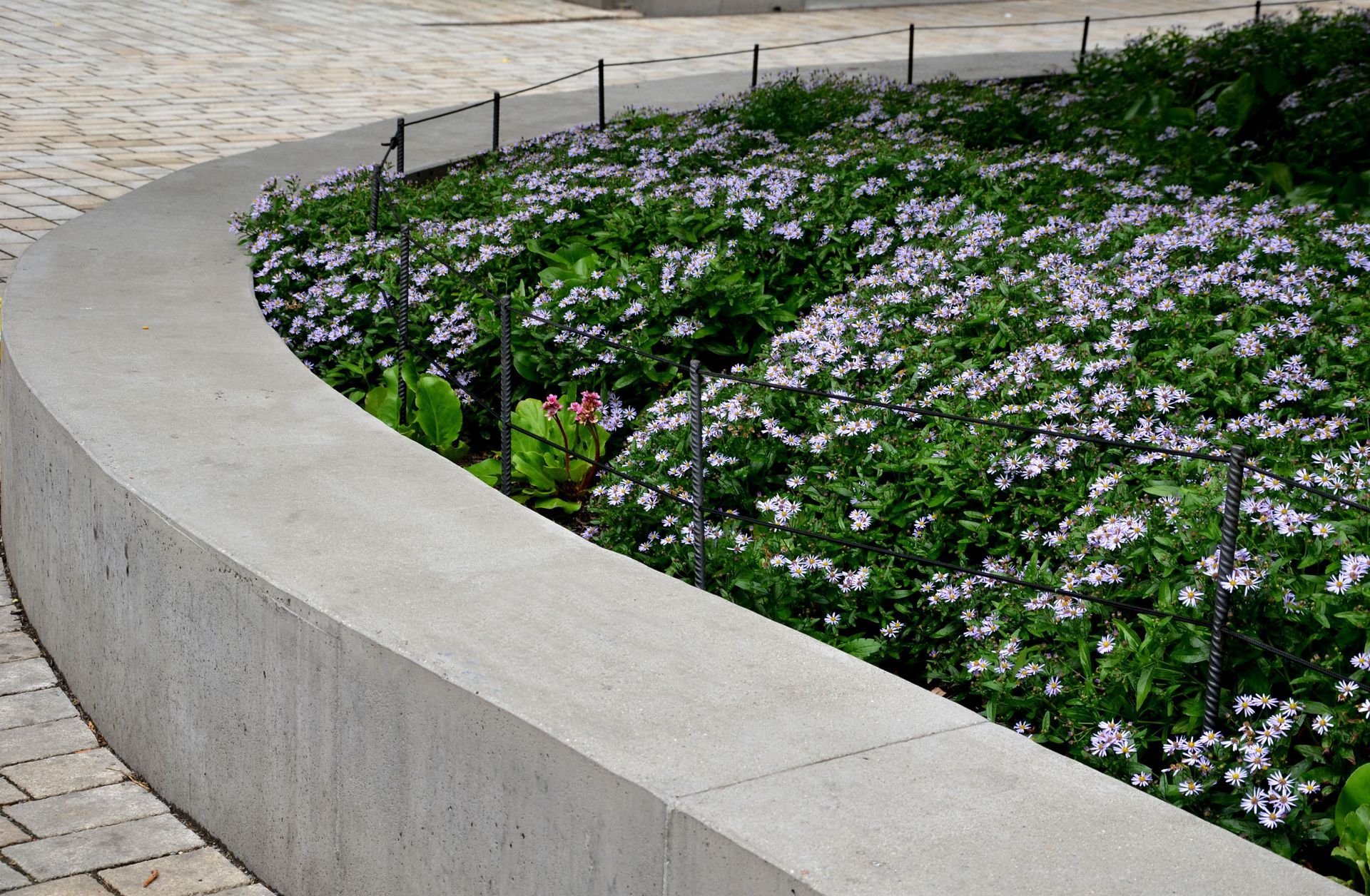
Among the various structural options available to property owners, building a concrete retaining wall stands out as a remarkably effective method for stabilizing unstable ground. Heavy-duty precast blocks and poured barriers offer exceptional strength, weather resistance, and long-term durability against extreme environmental conditions. By holding back vast quantities of earth and regulating water movement, these specialized structures address a wide range of common landscape issues. Understanding how a precast retention structure solves pressing drainage, erosion, and spatial limitations enables property owners to make informed decisions that protect land integrity and enhance outdoor usability for decades.
1. Preventing Severe Soil Erosion
Uncontrolled soil erosion presents a continuous hazard for properties with sloping terrain. When rainfall hits bare or loosely packed earth, surface runoff washes away vital topsoil, carving deep gullies across lawns and garden beds. Over time, persistent soil loss exposes underlying tree roots, destroys decorative landscaping features, and weakens surrounding earth. A well-designed concrete retaining wall provides an impenetrable vertical barrier that holds earth securely in place, stopping soil movement even during intense rainstorms.
By preventing topsoil displacement, an engineered retention barrier preserves essential soil nutrients required for healthy plant growth. Without structural support, sloped garden beds lose rich organic matter with every rainfall, forcing property owners to replace topsoil continuously. Installing a permanent retention barrier stabilizes sloped planting zones, allowing flowers, shrubs, and turf to build deep root systems in stable earth. Preserving topsoil health maintains lush vegetation while preventing unsightly washouts across your property.
Additionally, halting soil displacement prevents mud and sediment from accumulating on driveways, walkways, and patio surfaces. Accumulating silt creates slick hazards and clogs outdoor drainage grates, leading to localized pooling. Implementing a heavy-duty retention barrier keeps loose dirt contained within designated landscape zones, ensuring that surrounding paved surfaces remain clean, dry, and safe for daily pedestrian foot traffic.
2. Managing Uncontrolled Water Runoff
Heavy rainfall on sloped terrain creates fast-moving surface water that can flood low-lying landscape areas and pool near building foundations. Unmanaged water movement causes soil saturation, which increases lateral hydrostatic pressure against subterranean walls and footings. A professionally engineered retention structure integrates internal drainage channels, weep holes, and gravel backfill to collect and redirect surface runoff safely away from vulnerable property zones.
Proper water management is essential for preserving structural integrity and preventing water intrusion into basements or crawlspaces. When surface runoff flows toward a building unabated, standing water can seep through foundation cracks, causing interior dampness, mold growth, and structural weakening. Incorporating a concrete retaining wall into your landscape drainage strategy intercepts surface water before it reaches building perimeters, guiding moisture toward designated discharge points or municipal drainage systems.
Strategic drainage planning also enhances overall property functionality and visual appeal. According to Forbes, constructing a retaining wall can boost overall property value by as much as 15%. Channeling water away from active outdoor spaces eliminates soggy turf patches, standing puddles, and mud accumulation, allowing property owners to enjoy clean, dry outdoor environments year-round. Investing in effective water management safeguards land health while boosting long-term property appeal.
3. Transforming Unusable Sloped Terrain
Steep hillsides and sharp elevation changes severely limit how property owners can utilize outdoor spaces. Sloped yards make mowing difficult, prevent patio installation, and restrict recreational activities for families and guests. Installing a sturdy concrete retaining wall cuts into steep slopes to create flat, terraced land levels that maximize usable outdoor square footage.
Terracing steep terrain turns unproductive slopes into functional multi-level outdoor living environments. Property owners can utilize newly created flat terraces for expansive paver patios, outdoor kitchens, fire pit gathering areas, or terraced flower gardens. Utilizing a heavy-duty retention barrier ensures that each elevated terrace remains structurally sound and capable of supporting heavy outdoor furniture, hardscape pavers, and dense planting beds.
Furthermore, terraced landscapes improve property accessibility and ease routine maintenance chores. Navigating flat, level terraces is significantly safer than walking up and down steep, slippery slopes during wet weather. Creating level steps and tiered planting beds simplifies lawn mowing, weed control, and garden care, allowing property owners to maintain pristine outdoor spaces with minimal physical strain.
4. Protecting Structural Building Foundations
Sloped earth leaning directly against or above building structures exerts continuous lateral pressure against foundation walls. As soil absorbs rainwater, it expands significantly, generating immense force that can bow, crack, or shift subterranean concrete footings. Installing a reinforced concrete retaining wall absorbs and holds back this shifting lateral pressure, creating a stable buffer zone between sloped earth and building structures.
Without adequate retention structures, downhill soil movement can gradually undercut foundation footings or bury basement windows beneath shifting earth. A properly engineered retention system stabilizes hillside soil above and below building foundations, preventing land slippage that threatens architectural safety. Preserving foundational stability prevents costly structural settling and ensures that home structures remain square, secure, and moisture-free.
Protecting foundation perimeters also guards against subterranean soil erosion beneath paved driveways and entry walkways. As rain washes away supporting earth under concrete slabs, driveways develop uneven cracks and sunken sections that create trip hazards. Installing solid retention walls along driveway borders secures supporting subgrade materials, keeping paved surfaces level and structurally sound.
5. Minimizing Ongoing Landscape Maintenance
Maintaining a sloped lawn requires immense effort, specialized equipment, and constant vigilance against soil erosion and weed intrusion. Mowing steep hillsides presents physical safety hazards, as lawnmowers can slip or tip over on sharp inclines. Installing a solid concrete retaining wall replaces hazardous slopes with manageable flat terraces, eliminating dangerous mowing conditions and reducing weekly yard maintenance demands.
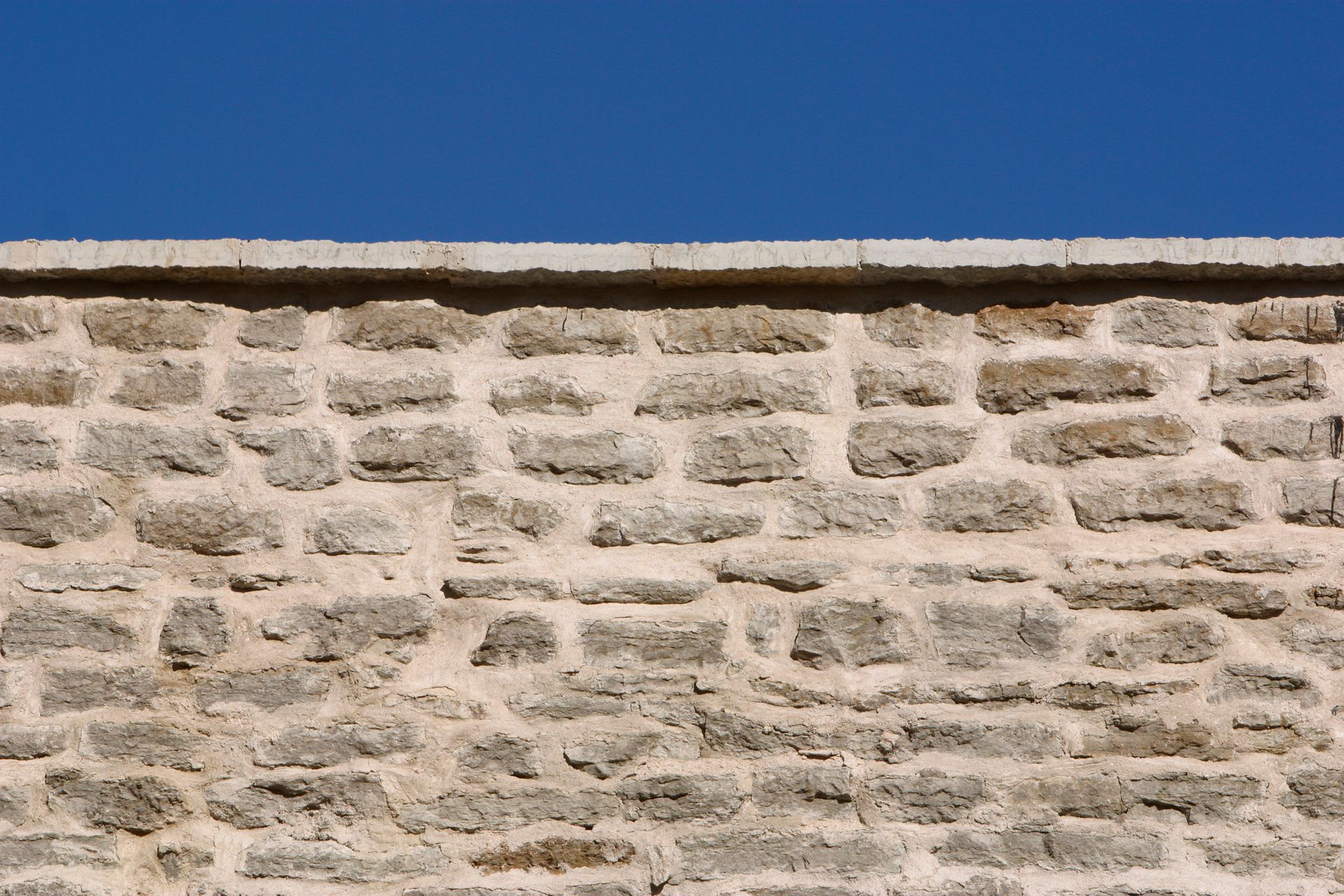
In addition to simplifying lawn care, precast retention barriers require minimal upkeep compared to alternative landscape materials like timber or dry-stacked stone. Wood retaining structures rot, warp, and suffer termite damage over time, requiring frequent repairs or total replacement. A durable retaining wall resists moisture absorption, freeze-thaw cycles, and pest infestation, maintaining structural strength and aesthetic appeal for decades without requiring painting or sealing.
Minimizing ongoing maintenance requirements allows property owners to enjoy beautiful, orderly landscapes without spending endless hours repairing washouts or weeding steep banks. Solid precast barriers stay firmly in position, providing reliable earth retention that keeps outdoor spaces looking neat and professional. Choosing long-lasting precast solutions provides permanent peace of mind and lasting landscape stability.
Addressing terrain challenges through engineered soil retention is essential for preserving property stability, managing water runoff, and maximizing outdoor living space. From halting destructive soil erosion and channeling storm runoff to creating flat terraced areas and protecting building foundations, heavy-duty retention barriers solve complex landscape problems efficiently. Investing in durable, high-performance materials guarantees long-term structural resilience, turning steep, unmanageable slopes into functional, attractive outdoor environments that enhance daily living quality.
If you are ready for a durable concrete retaining wall, contact us at Standard Precast today. We will help you solve complex terrain challenges with superior precast retention solutions tailored to your property.