August 12, 2026
A retaining wall can do much more than hold back soil. When it is properly designed and installed, it can improve the way a property looks, functions, and handles difficult terrain. Sloped yards, drainage problems, erosion, and limited usable space can all make outdoor areas harder to maintain. A retaining wall provides a structured solution by stabilizing changes in elevation and creating clearly defined spaces. It can also complement landscaping, protect nearby features, and support long-term property improvements.
Because retaining walls must withstand pressure from soil and water, careful planning is essential. The wall’s height, material, footing, reinforcement, drainage system, and location all affect its performance. A professionally built wall can deliver lasting value, while an improperly installed one may lean, crack, or fail over time. Understanding the main advantages of this type of project can help property owners decide whether a retaining wall is a practical investment for their land.
1. Reducing Soil Erosion
One of the most important benefits of a retaining wall is its ability to control soil movement. On a sloped property, rainwater can wash loose soil downhill, gradually changing the shape of the landscape and carrying away valuable topsoil. Erosion may also expose plant roots, create uneven areas, and leave sediment on driveways, patios, or walkways. By holding soil in place, a retaining wall creates a stable boundary that limits this movement and helps preserve the intended grade of the property.
A concrete retaining wall contractor can assess the slope, soil conditions, and water flow before recommending an appropriate wall design. This evaluation is important because erosion is often connected to drainage. A strong wall should not simply block soil; it should also include features that allow water to move safely away. With the right combination of structural support and drainage, the wall can reduce ongoing soil loss and make the surrounding landscape easier to maintain.
2. Improving Drainage Control
Water that collects or moves unpredictably across a property can damage landscaping and create muddy, unstable areas. It may also flow toward a foundation, driveway, or other structure. Retaining walls can help direct runoff by shaping the grade and supporting drainage components such as gravel backfill, perforated pipe, filter fabric, and weep holes. These features relieve hydrostatic pressure behind the wall and guide excess water toward a more suitable discharge point.
Working with a concrete retaining wall contractor helps ensure that drainage is treated as part of the wall system rather than as an afterthought. The contractor can evaluate where water originates, how quickly it travels, and where it can be released without causing another problem. Good drainage protects the wall from unnecessary pressure while also improving conditions in nearby lawns and planting beds. This can reduce standing water, soil saturation, and repeated landscape repairs after heavy rain.
3. Creating Usable Outdoor Space
Steep or uneven land can limit how much of a yard is practical for everyday use. A retaining wall can create terraces or level sections that are better suited for patios, gardens, play areas, walkways, or seating. Instead of leaving a slope as difficult-to-maintain ground, property owners can divide it into organized spaces with clear purposes. This can make the landscape feel larger and more functional, even when the overall property size remains the same.
A concrete retaining wall contractor can help determine how much soil should be cut, filled, or supported to create the desired area safely. The wall may be designed as a single structure or as several lower tiers, depending on the slope and layout. Tiered walls can provide planting opportunities and make elevation changes feel more gradual. By turning awkward terrain into usable space, a retaining wall can support both recreation and landscaping goals.
4. Protecting Nearby Structures
Soil movement can place pressure on fences, sheds, patios, driveways, foundations, and other improvements. On a hillside or raised section of land, unsupported soil may shift toward these features or settle unevenly beneath them. A retaining wall provides separation between the soil mass and nearby structures, helping maintain the intended grade. It may also reduce the risk of debris and sediment moving onto lower areas during storms.
A qualified concrete retaining wall contractor can design the wall around existing site conditions and structural concerns. According to This Old House, for projects requiring greater elevation changes, cantilever retaining walls are commonly used and can typically reach heights of up to 25 feet. Taller walls and walls supporting significant loads require detailed engineering, reinforcement, and permitting in many locations. Professional planning helps ensure that the wall is appropriate for the pressure it must resist and the property features it is intended to protect.
5. Enhancing Landscape Appearance
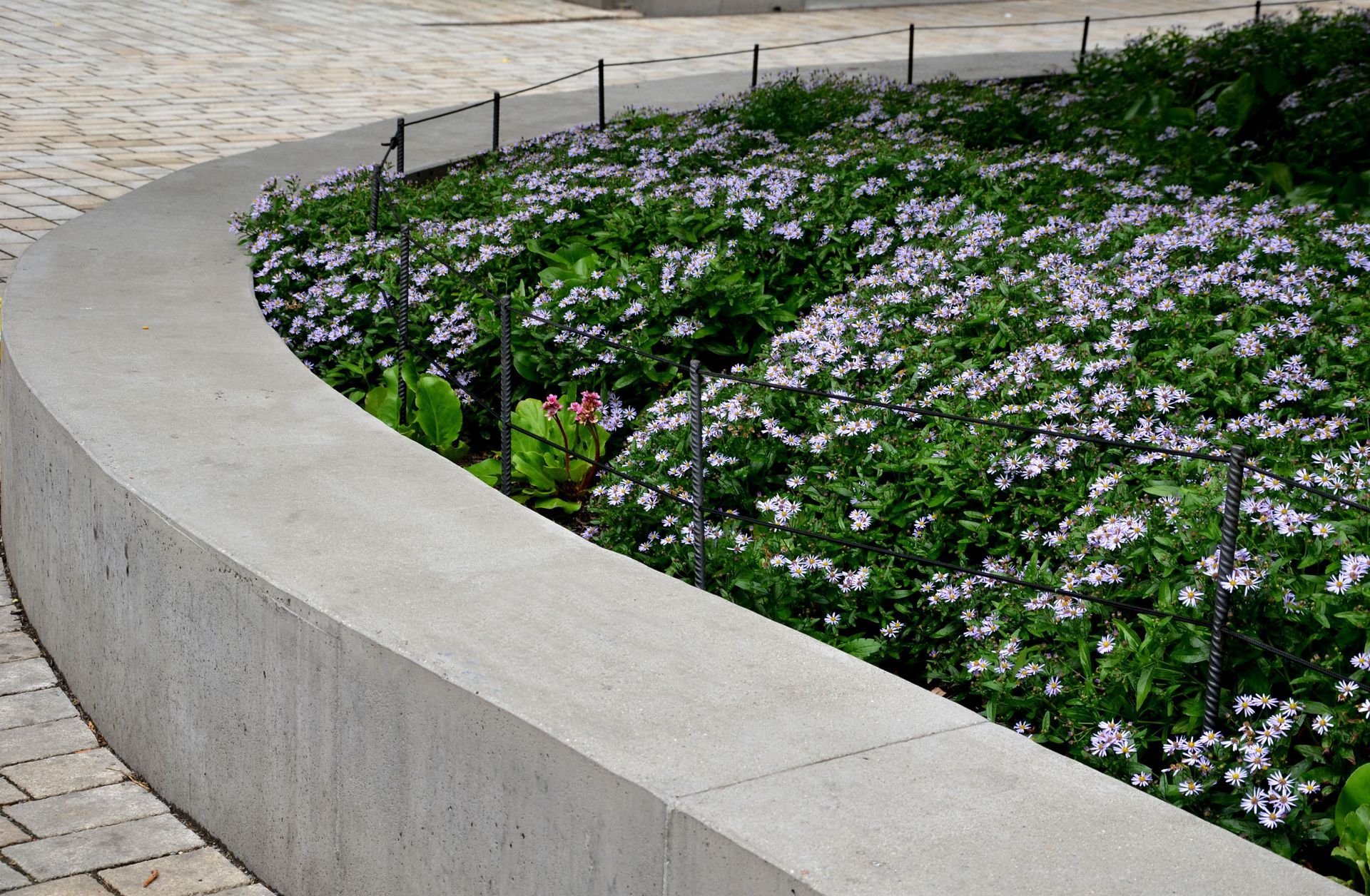
Retaining walls can add visual structure to an outdoor environment. They define planting beds, frame pathways, separate activity areas, and create transitions between different elevations. Concrete walls can be finished in several ways, including smooth surfaces, textured patterns, decorative caps, or finishes that resemble stone. These options allow the wall to coordinate with the home, hardscaping, and overall landscape style rather than appearing purely utilitarian.
A concrete retaining wall contractor can help property owners compare design options while keeping structural performance in mind. The wall’s height, length, color, texture, and placement should work with the scale of the property. Lighting, stairs, planters, and seating may also be integrated when appropriate. A thoughtfully designed retaining wall can become a strong landscape feature that organizes the yard and gives the property a more polished, intentional appearance.
6. Increasing Long-Term Durability
Concrete is commonly selected for retaining walls because it can provide substantial strength and resistance to weather, pests, and decay. Unlike untreated wood, concrete does not rot when exposed to damp soil. It can also be reinforced to handle significant lateral pressure. When the footing, reinforcement, drainage, and concrete mix are suited to the project, the finished wall can perform reliably for many years with relatively limited routine maintenance.
An experienced concrete retaining wall contractor understands that durability depends on more than the visible surface. Soil preparation, compaction, footing depth, reinforcement placement, curing, and waterproofing all influence the wall’s service life. The contractor should also account for local freeze-thaw cycles, soil expansion, and drainage patterns. Proper construction reduces the likelihood of cracking, leaning, bulging, or settlement and helps protect the property owner’s investment over time.
7. Supporting Property Value
A well-built retaining wall can contribute to property value by solving visible site problems and improving the usefulness of the yard. Buyers may appreciate a landscape that has stable slopes, controlled drainage, defined planting areas, and level spaces for outdoor activities. The wall can also demonstrate that challenging terrain has been addressed thoughtfully. While the exact value depends on the property and market, functional improvements often make a home more appealing and easier to maintain.
Hiring a concrete retaining wall contractor can also provide greater confidence that the project meets professional standards. Documentation related to permits, engineering, materials, and construction may be useful when the property is sold. A wall that looks attractive but lacks adequate support can become a concern during an inspection, while a properly planned wall may be viewed as a valuable site improvement. Quality installation helps ensure that the wall adds practical and visual benefits rather than future repair obligations.
Installing a retaining wall can reduce erosion, improve drainage, create usable space, protect nearby structures, enhance landscaping, provide durable support, and strengthen a property’s overall appeal. These benefits depend on a design that responds to the site’s slope, soil, water movement, and intended use. Concrete walls can be especially effective when they are reinforced, drained, and installed on a properly prepared foundation. For help planning a retaining wall that combines dependable performance with a finished appearance suited to your property, contact Standard Precast today.